Ever wonder how one’s symptoms and severity impacts MMJ Card eligibility?
At My Florida Green, our state-certified marijuana physicians are trained to evaluate the full clinical picture, not just check a box next to a diagnosis. Understanding how symptom severity factors into that decision can help patients prepare for a more productive, transparent medical marijuana evaluation.
Why a Diagnosis Alone Isn’t Enough
Florida’s medical marijuana program identifies qualifying conditions for cannabis use, such as chronic pain, PTSD, cancer, epilepsy, Crohn’s disease, multiple sclerosis, and several others. But the law does not treat every patient with one of these diagnoses identically.
A qualified cannabis physician evaluating a patient for a Florida Cannabis card must determine, in their professional judgment, that the potential benefits of medical cannabis likely outweigh the potential risks for that specific patient.
Symptom severity is one of the most important factors shaping that determination because it speaks directly to how much a patient’s quality of life is being affected and how much medical cannabis might realistically help. A patient with mild, well-controlled symptoms from a qualifying condition presents a very different clinical picture than a patient whose symptoms are severe, persistent, or unresponsive to conventional treatment. Physicians are trained to recognize and weigh that difference carefully.
How do physicians assess symptom severity?
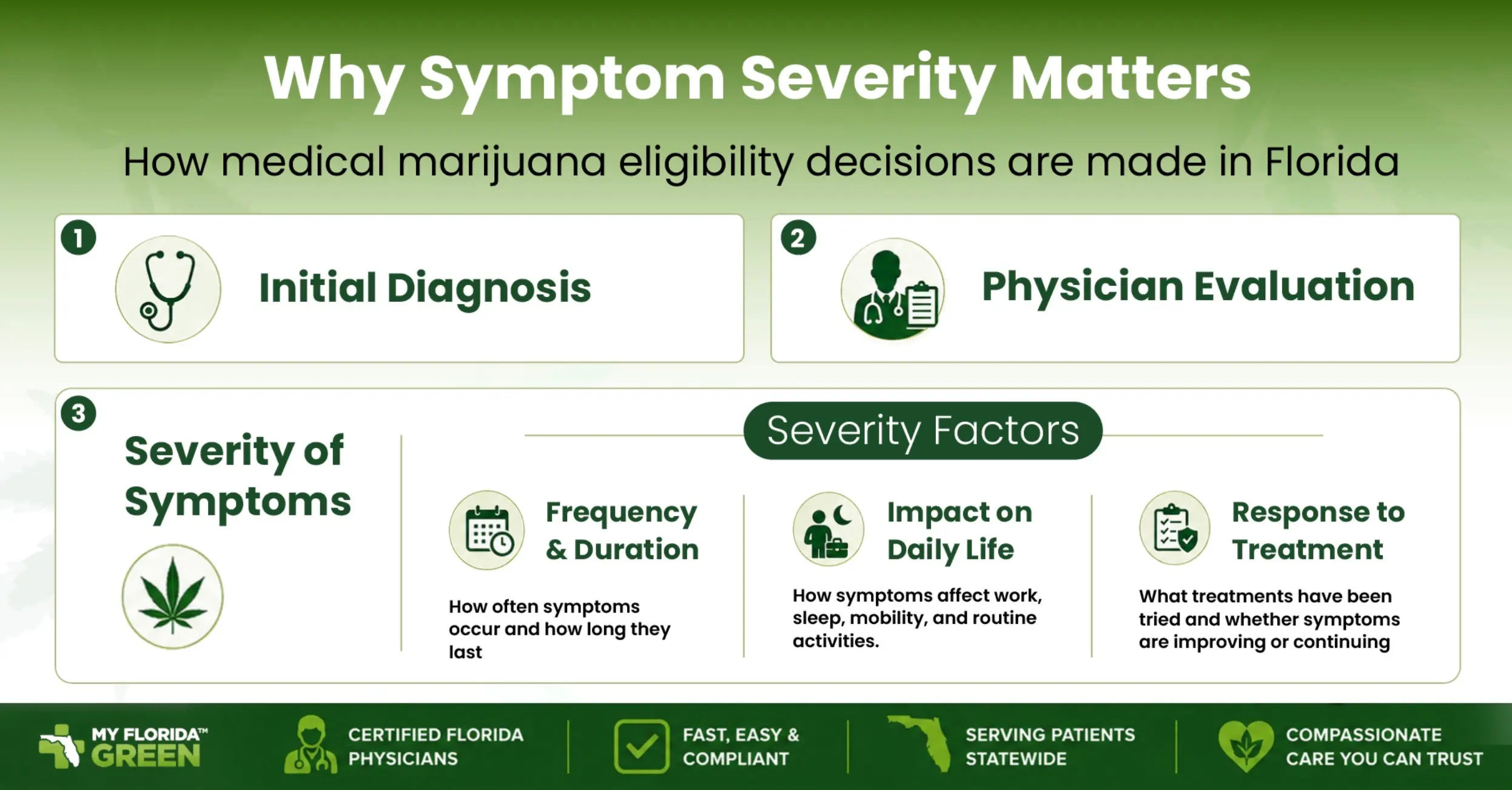
During a medical marijuana evaluation, state-licensed cannabis physicians typically carefully evaluate patients’ symptoms, including their severity and impact:
- Frequency: How often symptoms occur (daily, weekly, intermittently).
- Duration: How long symptoms have persisted and whether they are improving, worsening, or stable.
- Functional impact: Whether symptoms interfere with work, sleep, mobility, or daily activities.
- Treatment history: What conventional treatments have already been tried and how effective they were.
- Pain or symptom intensity: Often assessed using patient-reported scales or descriptive accounts.
- Associated conditions: Whether co-occurring conditions (such as anxiety alongside chronic pain) compound the overall symptom burden

What Is The Role of Documentation in Supporting Severity Assessments?
Documentation that can support a more thorough severity assessment includes:
- Prior physician notes describing symptom frequency, intensity, or progression
- Specialist evaluations relevant to the qualifying condition
- Records of previously attempted treatments and their outcomes
- Imaging, lab results, or diagnostic testing tied to the qualifying condition
- Notes from physical therapy, psychiatric care, or pain management providers
Patients who come prepared to a medical marijuana evaluation save time and allow the state-licensed marijuana physician to make an informed decision about their health condition.
Why Severity Matters More for Some Conditions Than Others?
Severity plays an especially significant role in the eligibility decision for marijuana use. Physicians have to carefully examine the severity of symptoms and the patient’s condition before giving them a recommendation for a medical cannabis card.
Chronic pain, for example, is one of the most common reasons patients seek a medical marijuana card in Florida, but it is also a condition that can vary. A patient with occasional, manageable discomfort presents a different case than a patient whose chronic pain is severe enough to limit basic daily functioning. Physicians weigh that distinction carefully when determining whether medical cannabis is an appropriate recommendation.
PTSD and anxiety present similarly. Mild, situational anxiety is clinically different from PTSD symptoms that significantly disrupt sleep, relationships, and daily stability. A physician with psychiatric training, as is the case with several physicians in the My Florida Green network, is especially well-equipped to evaluate these distinctions accurately.
How Symptom Severity Differs Across Age Groups?
Symptom severity assessments can also vary depending on a patient’s age and life circumstances, and physicians often factor this context into their evaluation.
Older adult patients frequently present with chronic, cumulative conditions, long-standing arthritis, neuropathy, or the lingering effects of past injuries where severity has often built gradually over years. Physicians evaluating older patients may place particular weight on functional decline: whether a patient’s mobility, independence, or daily routine has been measurably affected over time.
Working-age adults often present symptom severity in terms of occupational and functional impact, whether a condition affects their ability to work, parent, or maintain daily responsibilities. A qualified physician may ask specifically about missed workdays, modified duties, or activities the patient has had to abandon because of their symptoms.
How should I Prepare for my Medical Marijuana Evaluation?
Patients preparing to see a state-licensed cannabis doctor can support a more accurate, efficient assessment by coming prepared. They should:
- Give a detailed description of their symptoms that occur.
- Describe how symptoms affect daily life, work, sleep, relationships, and mobility.
- Bring relevant medical records, prior diagnoses, or specialist notes.
- Being honest about what treatments have already been tried and how effective (or ineffective) they were.
- Bring a list of medications that they are taking for the symptom.
- Avoid vague or minimized descriptions; clarity helps the physician form an accurate clinical picture.
Patients sometimes worry that their symptoms need to be severe enough to qualify or feel uncertain about how to characterize their experience. The most productive approach is simply describing your situation honestly and completely during a medical marijuana card evaluation. A qualified physician is trained to interpret that information appropriately; patients do not need to exaggerate or downplay anything.
Why Working With an Experienced Physician Matters
Symptom severity assessment involves clinical judgment. Only experienced and trained marijuana doctors can clearly assess the patient’s eligibility and risk of marijuana use. A physician who rushes through evaluations or fails to ask detailed follow-up questions may not gather the information needed to make an accurate, well-supported determination.

At My Florida Green, our physicians are trained to conduct evaluations that explore a patient’s symptom history and severity, not simply confirm that a qualifying diagnosis exists. This approach protects patients by ensuring recommendations are clinically sound, and it protects the integrity of the documentation that supports a patient’s certification in the Florida Medical Marijuana Use Registry.
With more than 52,000 Florida patients served since 2016, My Florida Green has built deep experience in conducting evaluations that hold up to clinical and regulatory scrutiny.
The Connection Between Severity Assessment and Treatment Plan
A thorough severity assessment does more than determine eligibility for a medical cannabis card. Understanding the intensity, pattern, and functional impact of a patient’s symptoms helps guide conversations about product types and potential dosing considerations.
Clinical evaluation by an experienced marijuana physician matters beyond simply getting approved. The same conversation that establishes eligibility also sets the stage for a more informed, individualized approach to care in the future.
Renewals and Ongoing Severity Reassessment
Symptom severity is not assessed only once. Florida requires medical marijuana certifications to be renewed every 210 days. A medical marijuana card has to be renewed, and each renewal represents another opportunity for a physician to reassess a patient’s condition. A patient whose symptoms have improved may have a different conversation at renewal than one whose condition has progressed or remained unchanged.
My Florida Green‘s renewal evaluations are designed to capture these changes accurately, ensuring that a patient’s certification continues to reflect their current clinical reality rather than simply rubber-stamping a previous determination.
Schedule Your Medical Marijuana Evaluation with My Florida Green
If you are managing a qualifying condition and want a thorough, physician-led evaluation that takes your symptoms and full medical history seriously, My Florida Green is here to help. Our team will walk you through what to expect, help you understand the eligibility process, and ensure your evaluation reflects the true severity and impact of your condition.
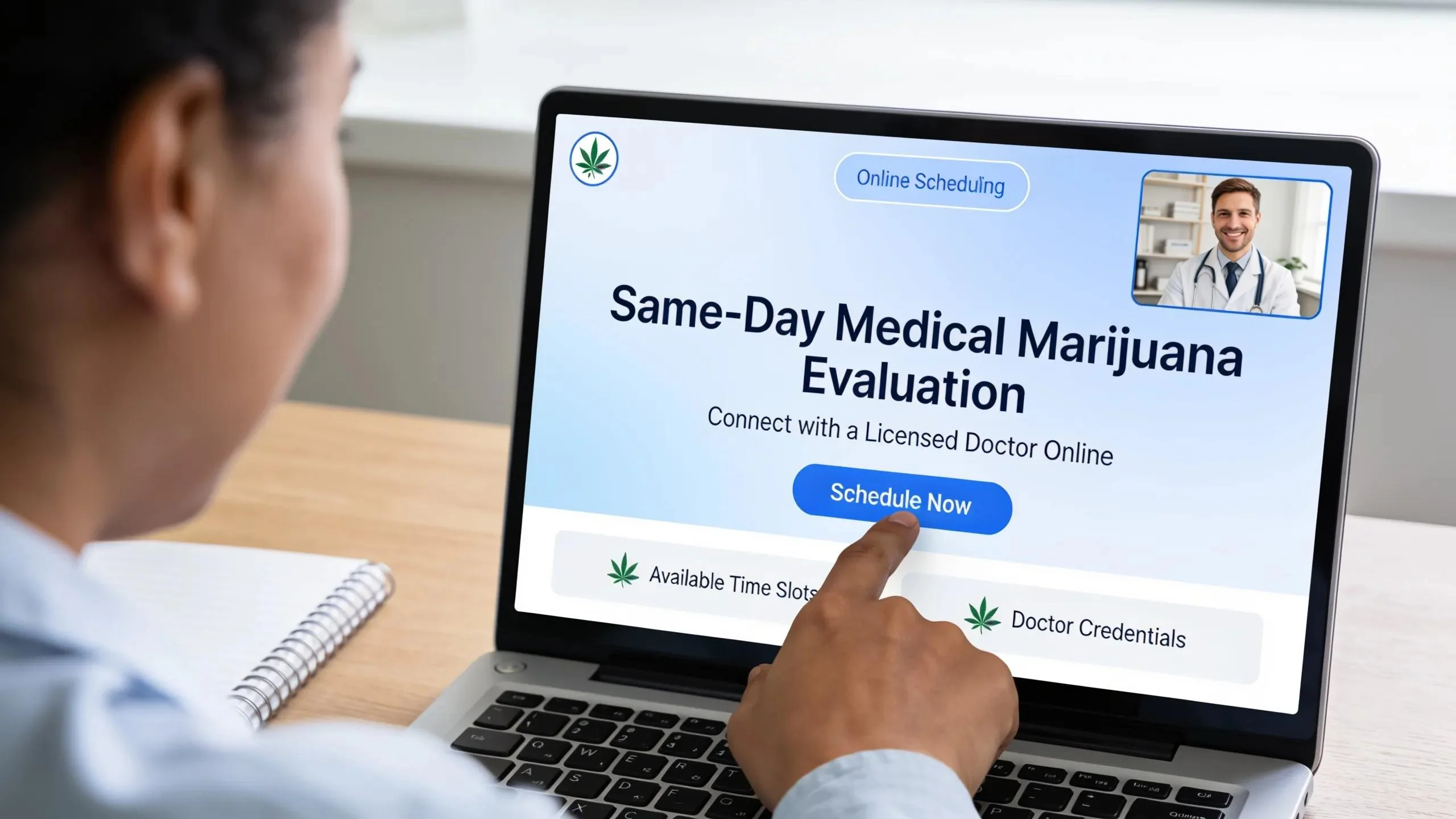
Our proprietary secure platform serves as a one-stop shop for patients to manage their marijuana journey efficiently. It allows you to book consultations with state-licensed marijuana physicians across many Florida cities, including Sarasota, Melbourne, Naples, and St. Petersburg.
Conclusion
Symptom severity is not a hurdle designed to exclude patients; it is one piece of a clinical process designed to ensure medical marijuana recommendations are genuinely appropriate for each individual. Florida’s legal framework intentionally gives physicians the discretion to evaluate severity, frequency, functional impact, and treatment history together, rather than applying a rigid, one-size-fits-all standard. For patients, this means the most important thing they can bring to a medical marijuana evaluation is honesty and detail; a clear, complete picture of how their condition actually affects their life. There is no need to exaggerate symptoms or worry about being severe enough.
A qualified, experienced physician is trained to listen carefully and make a clinically sound determination based on the full context of a patient’s situation. At My Florida Green, that is exactly the kind of evaluation patients receive: one built on genuine clinical conversation, individualized attention, and nearly a decade of experience helping Florida patients navigate the medical marijuana program with confidence. Whether you are pursuing your first certification or returning for a renewal, our physicians are committed to understanding your full story, not just your diagnosis.
Frequently Asked Questions
- Does my condition need to be severe to qualify for a medical marijuana card in Florida?
Not necessarily. However, symptom severity is one of several factors a state-licensed cannabis physician considers when determining whether medical cannabis is an appropriate recommendation. - What if my symptoms vary in intensity from day to day?
This is common, and qualified physicians are experienced in evaluating conditions that fluctuate. You should come prepared and should describe both your typical symptom pattern and your most severe episodes to help the physician understand the full scope of your condition. - Can I still qualify if I haven’t tried every conventional treatment first?
Florida law does not require patients to exhaust every other treatment option before qualifying for medical cannabis. However, discussing your treatment history helps the marijuana physician understand your situation and make a well-informed recommendation.
About the Author
Dr. Tazeen T. Zaidi (MD) is a board-certified family physician based in Sanford, FL, with over 30 years of experience. She has been associated with providing medical marijuana evaluations as part of her practice in Florida. Dr. Zaidi is double certified in Medical Marijuana Medicine by the Society of Cannabis Clinicians and the American Academy of Cannabis Medicine. She has practiced for over 20 years and is dedicated to helping patients access safe and effective medical cannabis treatment.
Medical Disclaimer
The information provided in this video and/or article is for educational and informational purposes only and is not intended as medical advice. It should not be used as a substitute for professional medical diagnosis, treatment, or guidance from a qualified healthcare provider.
Always seek the advice of your physician or other licensed healthcare professional regarding any medical condition or treatment options. Never disregard professional medical advice or delay seeking care because of something you have read or viewed here.
Medical services, evaluations, certifications, and treatment recommendations are provided only after an individualized assessment by a licensed physician and are subject to applicable state laws and regulations.
If you experience a medical emergency, call 911 or contact your healthcare provider immediately.